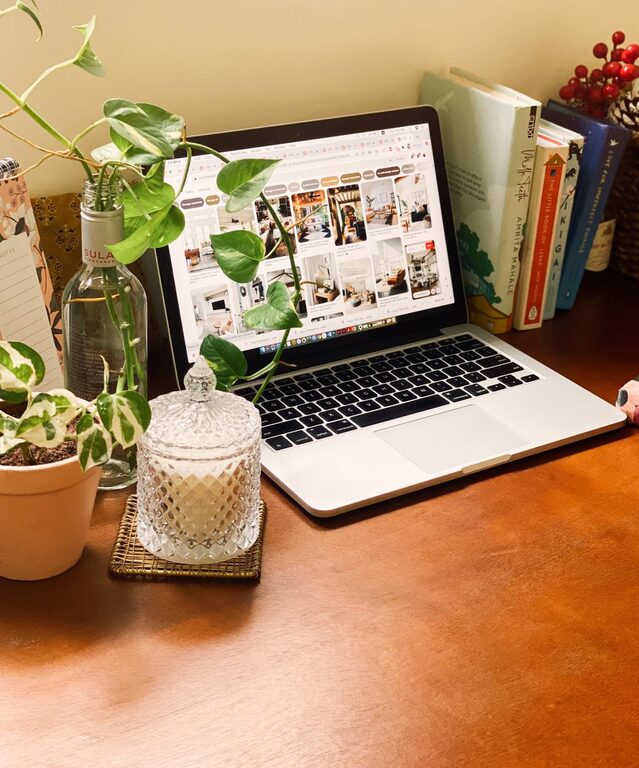

Creating a relaxing home workspace is essential for maintaining focus, reducing stress, and ultimately improving productivity. Whether you work from home full-time or just need a designated spot for occasional tasks, designing a comfortable and calming environment can make a significant difference. This guide offers helpful tips and ideas to transform your workspace into a place that supports both your mental well-being and work output.
Why a Relaxing Workspace Matters
Having a dedicated and soothing area for work helps you mentally separate professional tasks from personal life. It allows you to maintain a routine, reduce distractions, and stay motivated. A cluttered or uncomfortable workspace can increase stress and hinder concentration, so investing a little time and effort into creating an inviting setting pays off.
Choose a Dedicated Space
Find Your Zone
Select a spot in your home where you can work consistently. Ideally, this should be a quiet area with minimal foot traffic. If space is limited, even a small corner can work as long as you can organize it well.
Consider Natural Light
Natural light has a positive impact on mood and alertness. Try to position your desk near a window, but avoid placing your computer directly in front of or behind it to prevent glare.
Invest in Comfortable Furniture
Ergonomic Desk and Chair
Comfortable seating with proper support is vital to avoid strain and discomfort during long work sessions. Look for an adjustable chair that supports your posture, and a desk at the right height for your needs.
Personalize for Comfort
Add cushions, footrests, or even standing desk options if preferred. Ensuring comfort encourages longer, more focused work periods.
Organize and Declutter
Keep Essentials Handy
Only keep items you use regularly on your desk. Use organizers, trays, or drawers to store supplies neatly.
Reduce Visual Clutter
A tidy space helps clear the mind. Limit decorative items and maintain a clean surface to foster concentration.
Incorporate Calming Elements
Use Soothing Colors
Colors like light blues, greens, or neutral shades promote relaxation. Consider painting your workspace walls or choosing accessories in these tones.
Add Plants
Houseplants not only improve air quality but also bring a touch of nature indoors, which can reduce stress and increase creativity.
Soft Lighting
Avoid harsh overhead lighting. Use desk lamps or floor lamps with warm bulbs to create a cozy atmosphere.
Minimize Distractions
Technology Management
Silence notifications or use “Do Not Disturb” modes while working. Consider apps that block distracting websites if needed.
Noise Control
If you can’t work in complete silence, try noise-canceling headphones or play gentle background music or white noise to stay focused.
Personalize Your Space
Incorporate items that inspire you, such as photos, motivational quotes, or artwork. These small touches make your workspace inviting and enjoyable.
Establish Boundaries
Set Work Hours
Having clear start and end times helps maintain a work-life balance and signals your brain when it’s time to focus.
Communicate Expectations
If you share your home with others, explain your workspace needs and when interruptions aren’t welcome.
Take Breaks and Move
Remember to step away from your workspace periodically. Short breaks and light stretching or walking help refresh your mind and body.
Keep It Flexible
Your needs may change over time, so adapt your workspace accordingly. Regularly reassess what works best for comfort and productivity.
—
By thoughtfully designing your home workspace with relaxation and focus in mind, you can create a productive environment where work feels less stressful and more enjoyable. Start small, experiment with the ideas above, and adjust until you find the perfect balance. Your mind and work will thank you!

Related Posts