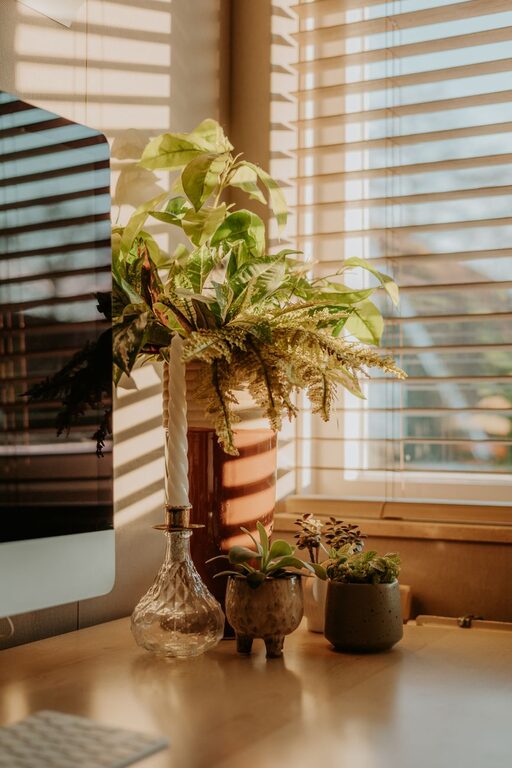

Creating a home office that feels both cozy and productive is essential for anyone working remotely or managing tasks from home. A well-designed workspace can boost your focus, reduce stress, and make your workday more enjoyable. Whether you have a dedicated room or a small corner, you can turn your space into an effective home office with a few thoughtful changes. Here’s how to create a comfortable and efficient home office that supports your best work.
Choose the Right Location
Consider Natural Light
Natural light has a positive impact on mood and productivity. Whenever possible, set up your desk near a window to benefit from daylight. Position your workspace so the light doesn’t cause glare on your screen but still brightens the room.
Minimize Distractions
Choose a location in your home that’s quiet and away from high-traffic areas. This helps maintain focus and reduces interruptions. If your space is limited, use room dividers or acoustic panels to create a separation between your office and living areas.
Invest in Comfortable Furniture
Ergonomic Chair
A supportive chair that encourages good posture is crucial. Look for adjustable chairs that fit your body and allow you to sit comfortably for long periods.
Desk at the Right Height
Your desk should allow your elbows to rest comfortably at a 90-degree angle. This reduces strain on your wrists and shoulders. Standing desks or those with adjustable height options can add flexibility to your workspace.
Organize Your Space for Efficiency
Declutter Regularly
Keep only essentials on your desk to avoid distractions. Use drawers, shelves, or organizers to store supplies neatly and free up your work surface.
Use Storage Solutions
Invest in filing cabinets, bins, or wall-mounted shelves to keep papers and equipment organized. Label storage containers to quickly find what you need.
Add Personal Touches
Decorate Mindfully
Add elements that make your space inviting, such as a favorite plant, artwork, or photos. These touches can increase your comfort and make the office feel like your own.
Use Soothing Colors
Choose calm and muted colors like soft blues, greens, or neutrals for your walls and decor. These colors can reduce stress and enhance concentration.
Optimize Lighting
Combine Task and Ambient Lighting
Use a layered lighting approach. Ambient light brightens the overall room while task lighting, like a desk lamp, focuses on your work area. Adjustable lamps let you control brightness and direction.
Avoid Harsh Lighting
Avoid flickering or overly bright fluorescent lights, as they can cause eye strain and headaches. Opt for LED bulbs with a warm color temperature.
Incorporate Technology Wisely
Equip Your Desk
Have all necessary technology within easy reach: computer, chargers, headphones, and keyboards. Cable management tools help keep cords untangled and your workspace tidy.
Ensure Reliable Internet
A steady internet connection is vital for virtual meetings and research. Position your router close to your office or use a Wi-Fi extender if needed.
Create a Comfortable Environment
Control Temperature and Air Quality
Make sure your office space is well-ventilated and at a comfortable temperature. Use fans, air purifiers, or heaters to maintain comfort year-round.
Add Comfort Accessories
Consider items like a soft rug underfoot, ergonomic wrist rests, or a cozy blanket for chilly days. These small additions can make your environment more pleasant.
Set Boundaries and Routine
Define Work Hours
Establish clear start and end times to separate work from home life. This helps prevent burnout and maintains work-life balance.
Use Visual Cues
If you share your home, use signs or signals to indicate when you are working and shouldn’t be disturbed.
Enhance Focus with Sound
Use Noise-Canceling Headphones
These can block out unwanted noise, helping you concentrate better.
Play Background Music
Some people work well with soft music or nature sounds. Experiment with different audio to find what helps your focus.
Take Regular Breaks and Move
Follow the 20-20-20 Rule
Every 20 minutes, look at something 20 feet away for 20 seconds to reduce eye strain.
Stretch or Walk
Stand up, stretch, or take short walks during breaks to stay energized and reduce stiffness.
—
A cozy and productive home office is achievable with intentional design and organization. Small changes can have a big impact on your workday, helping you stay comfortable, motivated, and efficient. Start by selecting the right location, investing in ergonomic furniture, and customizing your space to fit your needs. With these tips, your home office can become a place you look forward to working in every day.

Related Posts