
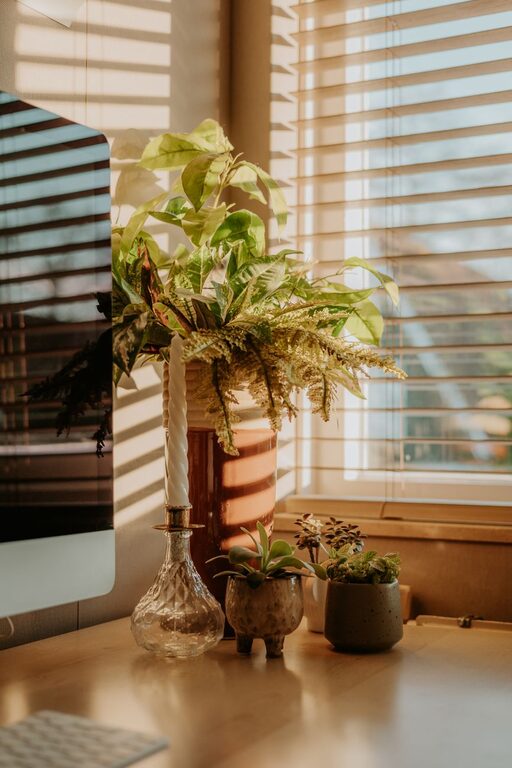
Creating a relaxing home office space is essential for boosting productivity and maintaining a healthy work-life balance. With many people continuing to work remotely, having a dedicated area that encourages focus and calm can make all the difference. Whether you have a spare room or a small corner, there are plenty of ways to design a workspace that feels inviting and helps you do your best work.
Why a Relaxing Home Office Matters
Working from home offers many benefits, but it can also blur the boundaries between work and personal life. A cluttered or uninspiring environment can lead to distractions and stress. A calming and organized home office promotes concentration, reduces anxiety, and increases motivation. When your workspace feels relaxing, you’re more likely to enjoy your work and be productive throughout the day.
Choosing the Right Location
Consider Natural Light
One of the quickest ways to make your office feel less stressful is to use natural light. Position your desk near a window if possible. Natural light improves mood and reduces eye strain. Avoid placing your monitor directly in front of a bright window to prevent glare, but having daylight around helps create a pleasant atmosphere.
Minimize Noise
A quiet space lets you focus better. If you have a busy household, consider using noise-canceling headphones or soundproofing options like rugs, curtains, or wall panels. If complete silence isn’t possible, soft background music or white noise machines can help drown out distractions.
Designing for Comfort and Functionality
Invest in Ergonomic Furniture
Comfortable and supportive furniture is key to working efficiently. Choose a chair with good lumbar support and adjustable height. A desk at the right height helps prevent strain on your neck and wrists. If you spend hours typing, consider an ergonomic keyboard and mouse to reduce fatigue.
Keep Supplies Within Reach
Organize your workspace so that essential items like notebooks, pens, or chargers are easy to reach. This reduces interruptions and keeps your workflow smooth. Use drawer organizers, shelves, or desktop trays to keep everything neat and accessible.
Creating a Calming Atmosphere
Use Soothing Colors
Colors have a powerful effect on our emotions. Soft tones like blues, greens, or neutrals tend to promote relaxation and focus. Avoid overly bright or distracting hues on your walls or office accessories. If you can’t paint the walls, add calming colors through decor such as cushions, rugs, or artwork.
Add Plants
Indoor plants improve air quality and bring a bit of nature indoors, which can reduce stress. Easy-care plants like pothos, snake plants, or succulents are great choices for a home office. Place them near your desk or on shelves to add a refreshing touch.
Personalize Your Space
Having a workspace that feels uniquely yours can boost motivation. Add photos, inspirational quotes, or artwork that makes you happy, but avoid cluttering the space. A few meaningful items can create a positive and calming environment without overwhelming your desk.
Organizing to Reduce Stress
Declutter Regularly
Clutter can increase stress and decrease focus. Take a few minutes each day to tidy your workspace and file important documents away. Use labeled folders or storage bins to keep papers organized and easily accessible.
Use Cable Management
Tangled cords are distracting and can make your desk look messy. Use cable clips, ties, or boxes to keep cords under control. A tidy workspace is visually calming and can improve efficiency.
Setting Boundaries and Routine
Define Work Hours
A relaxing workspace also depends on good habits. Define clear work hours to prevent burnout. Shut down your computer and clear your desk at the end of the day to signal the transition from work to personal time.
Take Regular Breaks
Short breaks help maintain focus and reduce stress. Use a timer or app to remind yourself to stand up, stretch, or take a walk every hour. Even a few minutes away from the screen can refresh your mind.
Lighting and Technology Tips
Use Adjustable Lighting
In addition to natural light, use adjustable task lighting like desk lamps for late hours or overcast days. Warm light bulbs can create a cozy atmosphere, while cool white bulbs are good for tasks that demand concentration.
Keep Technology Updated and Organized
Regularly update your software and keep your devices tuned for optimal performance. An organized desktop and digital files reduce frustration and downtime, helping you stay productive.
Final Thoughts
Creating a relaxing home office is about balancing comfort, organization, and personal touches. By choosing a quiet, well-lit space; investing in ergonomic furniture; and maintaining a neat environment, you set yourself up for success. Remember, the goal is to design a workspace that supports your well-being and helps you focus, making your workdays more pleasant and productive.
Try implementing a few of these tips and adjust your environment as needed. With a little effort, your home office can become a peaceful, efficient place where you enjoy working every day.
